As climate uncertainty, rising energy costs, and increasing pressure on agricultural land continue to reshape food production worldwide, new approaches are emerging that challenge traditional farming models. Among the most promising is vertical farming, a method that enables food to be grown indoors under carefully controlled conditions, independent of weather, seasons, and many of the limitations associated with conventional agriculture.
Across Europe, and particularly in the Netherlands, producers and technology providers have invested heavily in systems capable of delivering consistent yields while reducing dependence on external environmental conditions.
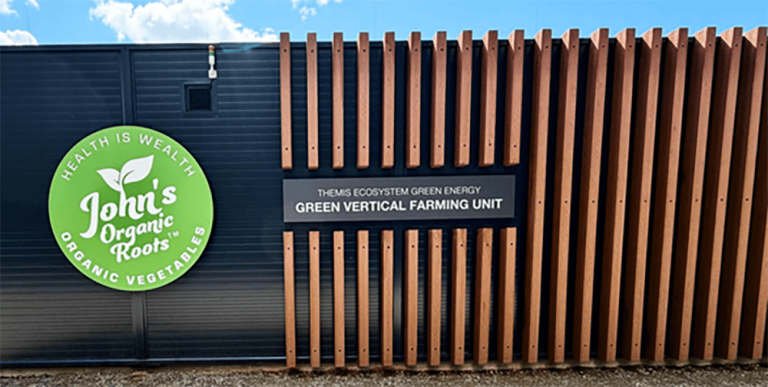
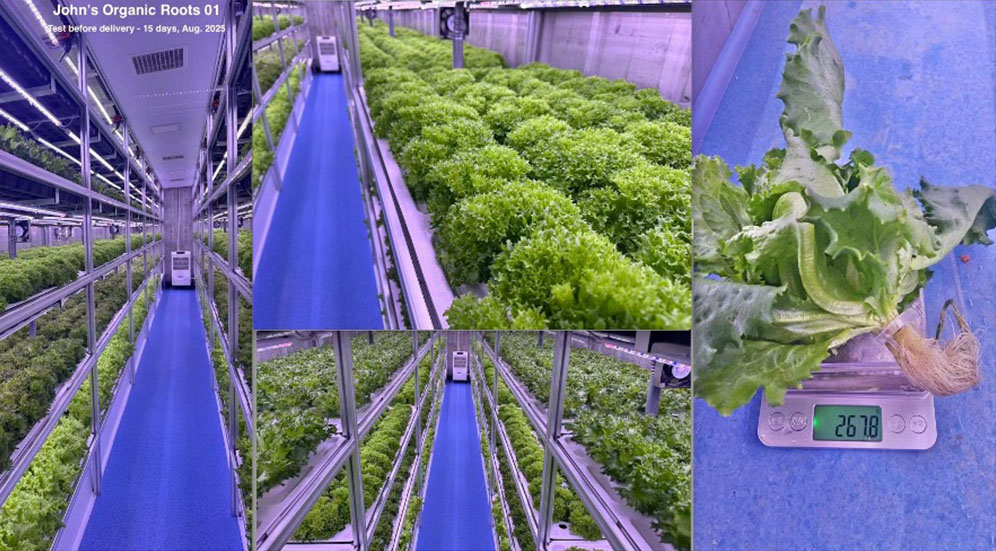
Against this backdrop, Themis Ecosystem (TE) is preparing to launch its own Green Vertical Farming (GVF) unit, which has already been completed and installed at its permanent location next to the Biomass Ultima facility. The unit will serve as both a production site and a demonstration model for future expansion.
Green Vertical Farming by Themis Ecosystem: A Step Ahead
One of the biggest challenges facing the vertical farming industry is energy consumption. Modern facilities rely on artificial lighting, climate control systems, air circulation, and automated monitoring equipment, all of which require a stable and significant energy supply. Depending on the design and technology used, energy demand can become one of the highest operating costs.
Many operators, therefore, seek alternative energy sources to reduce costs and strengthen the environmental credentials of their products. However, few projects have managed to address both objectives simultaneously.
The GVF JOR unit approaches the issue from two directions.
First, the production team successfully introduced a series of design improvements that reduced energy consumption by approximately 50 percent compared to similar systems currently available on the market. As a result, the unit operates with an energy requirement of approximately 2.5 kWh, substantially below the industry average (4-8kWh).
Second, the facility will be powered by surplus energy generated by the nearby Biomass Ultima plant. By redirecting this excess energy into food production, the system transforms a previously underutilized resource into an additional source of value.
Importantly, this arrangement does not reduce the plant’s primary revenue streams. The GVF JOR unit utilizes only energy that would otherwise be lost within the system, creating a highly efficient relationship between industrial production and agriculture.
The Environmental Advantages
The environmental implications are equally significant.
One of the central requirements of the TE framework is that its components must align with the TE’s broader commitment to CO2-negative development.
Several factors contribute to this outcome. The controlled production environment significantly reduces resource waste and improves water efficiency through optimized irrigation and recycling systems.
Also, food will be produced locally. Modern food supply chains often involve long transportation routes, multiple distribution centers, refrigerated storage facilities, and extensive logistics networks. Each stage contributes additional emissions before products ultimately reach consumers. By producing food close to its destination market, the GVF JOR unit substantially reduces this transportation footprint.
According to internal project calculations, the facility is expected to generate approximately four times lower CO2 emissions than conventional agriculture, producing a comparable volume of food. For every kilogram of produce grown, the operation is projected to remove approximately 0.4 kilograms of CO2 from the broader environmental balance.
The result is a production model that combines commercial viability with measurable environmental benefits.
The Agricultural Advantages
Because cultivation takes place within a fully controlled indoor environment, crops remain unaffected by droughts, storms, extreme temperatures, or seasonal fluctuations, allowing production throughout the year.
The enclosed growing environment also eliminates the need for conventional crop protection chemicals. As a result, vegetables, herbs, microgreens, mushrooms, and other products can be grown without exposure to pesticides while maintaining consistent quality standards.
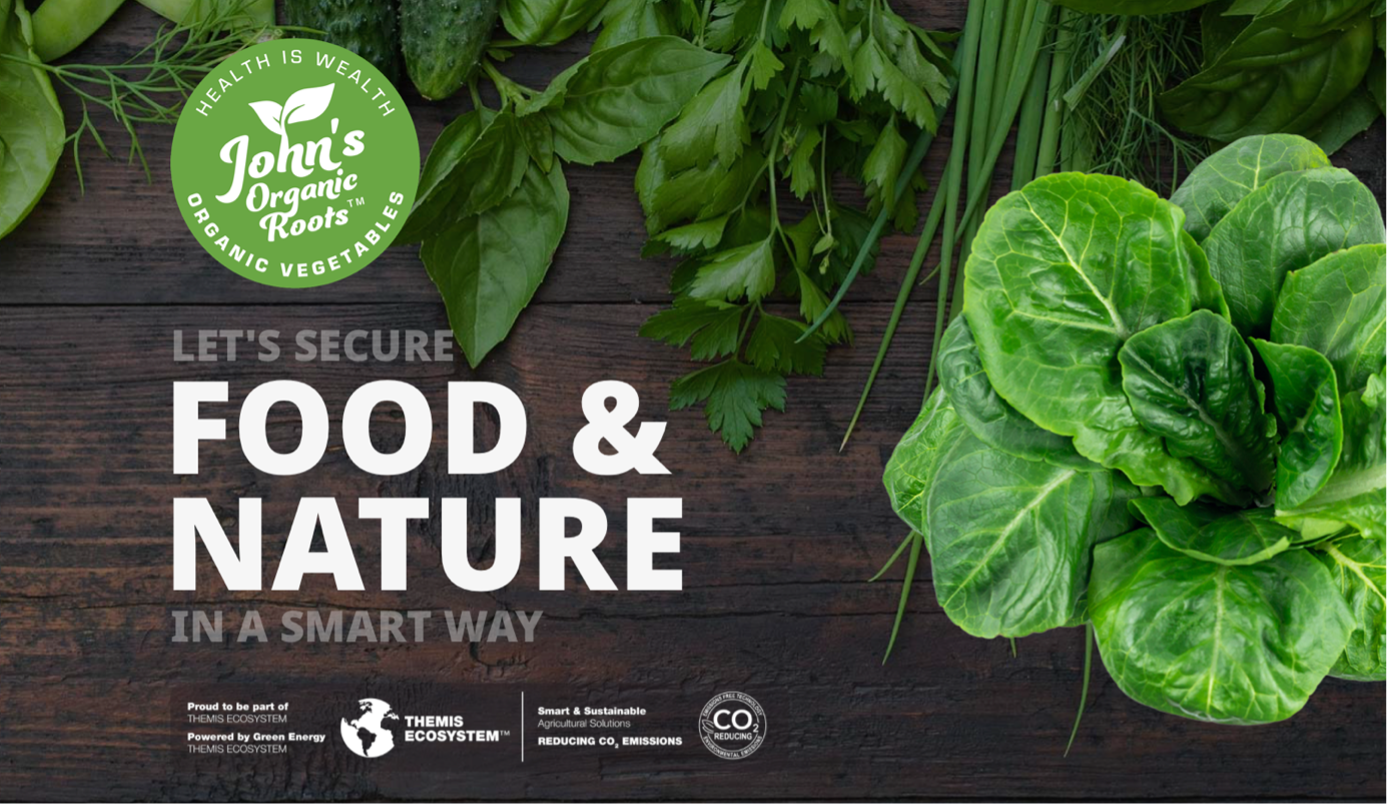
The products will be marketed under the John’s Organic Roots (JOR) brand. Preparations for production are already underway, with specialized teams completing final optimizations and cultivation planning before commercial operations begin.
Furthermore, the leadership team has decided that 10 percent of all production will be donated to local organizations and families facing financial hardship. A dedicated local committee will be established to oversee the distribution process and identify recipients based on community needs.
A Strategic Purpose
Rather than functioning as a standalone installation, the GVF JOR unit has been designed as a replicable model that can be integrated alongside future Biomass Ultima, Project Phoenix8, and other facilities. Each location would be capable of converting surplus industrial energy into local food production, creating an additional layer of economic and environmental value.
In a world facing growing pressure on resources, energy systems, and food supply chains, practical innovations often matter more than ambitious promises. The Green Vertical Farming project represents precisely that kind of innovation: a working model designed to produce high-quality local food, utilize resources more intelligently, reduce environmental impact, and create lasting value for both communities and the wider ecosystem.